





Choosing the right paint for ceramic surfaces is essential when renovating kitchens, bathrooms, hallways, or commercial interiors. Many homeowners today prefer repainting old tiles instead of replacing them completely because it is more affordable, faster, and less disruptive. The best solution for this type of renovation is vopsea pentru gresie si faianta, specially designed to adhere to smooth ceramic surfaces while offering durability and an attractive finish.
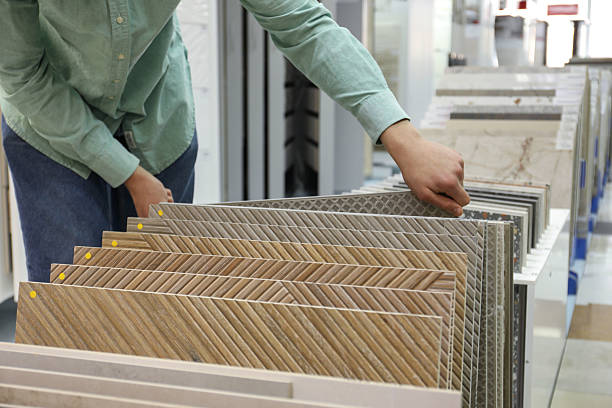
At CeraMall, customers can discover premium ceramic collections imported directly from Spain and Turkey, including porcelain tiles, marble-look designs, wood-look finishes, and modern decorative solutions. Alongside high-quality tiles, understanding how to refresh existing surfaces with suitable paint products can help homeowners achieve a modern appearance without major demolition work.
Why Specialized Tile Paint Is Important
Ordinary wall paint is not suitable for ceramic tiles because tile surfaces are non-porous and glossy. Standard paint tends to peel, crack, or lose adhesion after a short period of time, especially in humid environments like bathrooms or kitchens. This is why professionals recommend using dedicated vopsea pentru gresie si faianta products specifically formulated for ceramic, porcelain, and glazed surfaces.
These specialized paints contain strong bonding agents and resins that allow the coating to stick effectively to smooth tiles. They are also more resistant to cleaning products, humidity, temperature fluctuations, and daily wear. For floor tiles, durability becomes even more important because the paint must withstand foot traffic and abrasion.
Types of Paint Used for Wall Tiles
Wall tiles generally require paint that offers moisture resistance and easy maintenance. Acrylic epoxy paint is one of the most popular options for bathroom and kitchen walls because it provides a durable coating while maintaining a smooth and elegant finish.
Water-based tile paints are also commonly used for interior wall tiles due to their low odor and quick drying properties. These products are easier to apply and environmentally friendlier compared to solvent-based alternatives. Satin and semi-gloss finishes are preferred because they reflect light beautifully while remaining easy to clean.
For decorative projects, some homeowners choose chalk-based tile paints combined with protective sealers. However, for long-term durability in wet spaces, professional-grade epoxy or polyurethane systems remain the safest choice.
Best Paint Options for Floor Tiles
Floor tiles experience significantly more stress than wall surfaces, which means stronger paint systems are necessary. Epoxy paint is widely considered the most reliable solution for ceramic floors. It creates a hard protective layer capable of resisting scratches, moisture, stains, and heavy traffic.
Polyurethane coatings are another excellent option for painted floors because they provide additional protection and flexibility. Many renovation professionals use a primer followed by epoxy paint and a polyurethane topcoat to maximize durability.
When selecting vopsea pentru gresie si faianta for floors, surface preparation is critical. The tiles must be cleaned thoroughly, degreased properly, and lightly sanded before painting. Without adequate preparation, even the best products may fail over time.
Preparing Tiles Before Painting
Successful tile painting always starts with careful preparation. Dust, soap residue, grease, and moisture can reduce paint adhesion dramatically. The surface should first be washed using a strong degreasing cleaner and allowed to dry completely.
Glossy ceramic tiles often require light sanding to create texture for the primer and paint to bond effectively. In many cases, professionals apply a specialized adhesion primer before the final paint layers. This step improves longevity and creates a more uniform appearance.
Using high-quality materials is equally important. At CeraMall, customers can explore premium ceramic products and renovation solutions that complement both classic and modern interior styles. With permanent stock availability, fast delivery across Romania, dedicated showrooms, and advantageous pricing, renovation projects become much easier to manage.
How Long Does Tile Paint Last?
The lifespan of painted tiles depends on the product quality, preparation process, and level of daily use. Professionally applied epoxy systems can last several years without major deterioration. Wall tiles generally maintain their appearance longer than floor tiles because they are exposed to less friction.
Regular maintenance also plays a major role. Non-abrasive cleaning products should be used to preserve the protective coating and maintain the fresh appearance of the painted surface.
Conclusion
Choosing the correct vopsea pentru gresie si faianta is essential for achieving durable and visually appealing results on ceramic surfaces. Wall tiles usually benefit from acrylic epoxy or water-based formulations, while floor tiles require highly resistant epoxy or polyurethane systems capable of handling heavy use. Proper preparation, quality materials, and professional application techniques all contribute to long-lasting performance. Whether renovating an old bathroom or modernizing a kitchen, combining premium ceramic solutions from CeraMall with the right tile paint can completely transform any interior space quickly and efficiently.