





You inherit a building, keys and all, and the floor is covered in a coating nobody remembers installing. It’s scuffed, a little dull, but mostly intact. The question that keeps popping up is simple. How much longer will it last? And if it needs redoing, will the next one hold up any better? Honestly, those questions deserve a real answer.
A properly installed system can run ten to twenty years depending on traffic and chemicals, according to HPS Floors. That’s a big range, and where you land inside it has less to do with luck than with what happened before the first coat went on. Let’s talk about what pushes the number up.
What Stretches the Lifespan
Traffic and chemicals set the ceiling. A light duty corridor will outlast a forklift aisle that sees constant turning and loading. HPS Floors designs coatings around each floor’s traffic, chemical exposure and moisture needs before a single coat goes down. That match alone makes a real difference over the years.
When you hire epoxy flooring contractors, ask what the system is designed to handle, not just how it looks on day one. For heavy industrial use, HPS Floors points to high solids, multi coat systems made for forklift traffic, impact and chemical exposure. Thick and layered usually beats thin and quick.
Surface Prep Sets the Clock
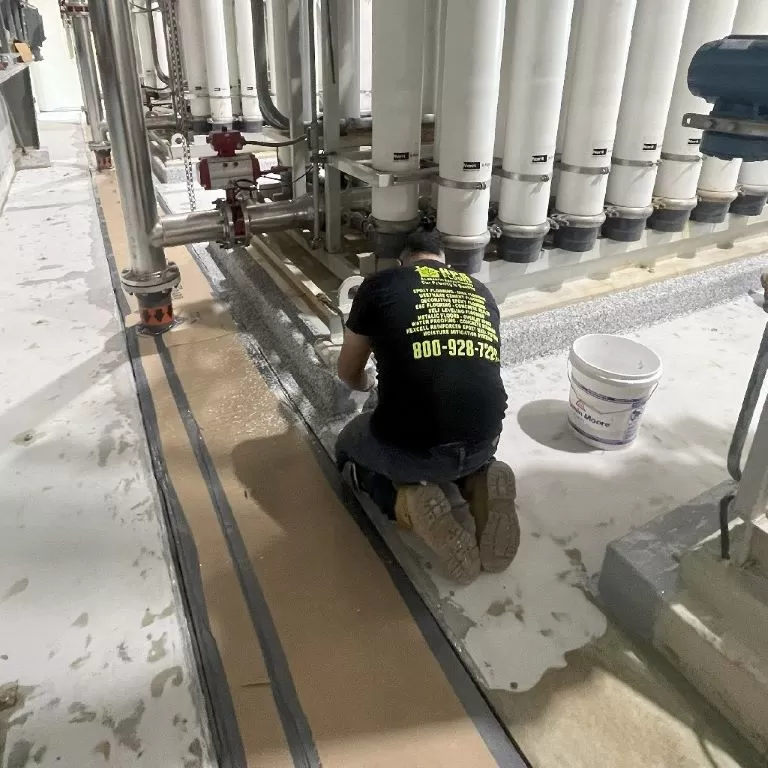
Diamond grinding and moisture testing before epoxy is applied is why HPS Floors says its industrial coatings routinely outlast cheaper, poorly prepped alternatives. The bond between coating and concrete is what holds everything together. If it’s weak, the lifespan shrinks no matter how nice the material is.
Choosing Systems for Different Spaces
Not every floor lives the same life. Warehouses, plants and logistics hubs lean toward industrial epoxy. Commercial kitchens and food plants use urethane cement for thermal shock resistance. Locker rooms and corridors suit decorative flake. Large concrete spaces can use liquid densifiers to dust proof and harden.
Picking the wrong type for the space shortens everything. A decorative finish in a forklift lane, or a basic coating in a hot washdown kitchen, is asking for trouble. Tell the crew how the room is really used, even the messy parts, and let that drive the recommendation.
Real World Wear
Say a distribution center resurfaces its floor near the dock doors. If the original prep was rushed, new coating can fail again in the same spot. HPS Floors does warehouse floor resurfacing in Middlesex County and begins with grinding or blasting to the right CSP, so the repair actually has something to bond to.
Photos and Paperwork
Ask for real project photos and a written warranty before you commit. Pictures of older installations show how a crew’s work holds up. A warranty in writing gives you something concrete to point to later. Both are easy to request, and they say a lot.
Getting the Most From Your Next Floor
Start with a site visit, not a phone quote. Let the crew see the slab, the traffic patterns and the moisture situation. HPS Floors has handled industrial and retail projects for nearly four decades, and that history shows up in how thoroughly the questions get asked.
Then plan the schedule. Turnkey service from diamond grinding to the final topcoat aims at minimal downtime, which makes a replacement less painful. A floor that lasts longer also means fewer shutdowns later, so the planning effort tends to pay off twice.
Conclusion
A long lived floor comes from matching the system to the space, prepping the concrete properly and testing for moisture. A careful epoxy flooring contractor treats those as the main job, not extras. If a bid skips them, the lower price probably isn’t a bargain.