




The conversation around commercial LED lighting has shifted dramatically in recent years. It is no longer a question of whether LED is the right technology — it clearly is, in nearly every application. The real conversation now is about which products to choose, how to specify them correctly for specific environments, and how to manage the procurement process so the installation delivers the expected performance and savings. For tribal nations and commercial developers, getting those decisions right from the beginning is what separates a genuinely successful upgrade from a disappointing one.
Why Commercial LED Lighting Has Become the Infrastructure Standard
Legacy lighting technologies served commercial and industrial facilities for decades, but they carried significant disadvantages that were simply accepted as the cost of doing business. High energy consumption, frequent lamp replacements, warm-up times, poor light quality in certain color temperatures, and the environmental cost of disposal all contributed to a total cost of ownership that modern alternatives have now dramatically reduced.
Commercial led lighting addresses all of these disadvantages simultaneously. LED fixtures consume a fraction of the energy used by their predecessors, maintain output without warm-up delays, deliver consistent color rendering across the full rated life of the product, and require far less frequent replacement. For facilities operating twenty-four hours a day like casinos, hospitals, and tribal emergency management centers, the cumulative savings across energy and maintenance are substantial.
The Financial Case for LED Upgrades in High-Hours Facilities
Facilities that operate around the clock accumulate lighting energy costs at a rate that makes the payback calculation for LED upgrades very compelling:
- Calculate current energy consumption from existing lighting in kilowatt-hours per year
- Identify the LED equivalent fixture and its wattage reduction percentage
- Apply the facility’s electricity rate to determine annual energy savings
- Add annual maintenance cost reduction from fewer lamp replacements
- Divide total system cost by combined annual savings to determine payback period
For most continuous-operation facilities, this analysis produces payback periods well under five years, with the upgraded system then delivering savings for the remaining fifteen to twenty years of its rated service life.
Industrial Lighting Within the Commercial LED Framework
Not all commercial LED applications are equal, and industrial environments present specific challenges that require industrial-rated fixtures rather than standard commercial products. Industrial lighting in manufacturing plants, warehouses, and heavy-use tribal facilities must contend with operating conditions that would shorten the life of fixtures designed for mild environments.
The distinction matters because some projects attempt to use standard commercial LED products in industrial environments to reduce upfront costs, only to discover that premature failures eliminate the anticipated savings. A properly specified industrial LED fixture rated for the actual operating environment will outlast a standard commercial fixture in those conditions by a wide margin, even at a higher initial price point.
What Proper Industrial-Grade LED Specification Looks Like
For heavy-use industrial applications, specification should address:
- IP rating of at least IP65 for dusty or wet environments
- Ambient operating temperature rating matching the facility’s actual temperature range
- IK (impact resistance) rating appropriate for the level of physical exposure
- Lumen output and spacing calculations confirming adequate foot-candles at the working plane
- Driver quality with a minimum L70 rating confirming lumen maintenance over the rated life
How Catawba Power and Lighting Serves This Market

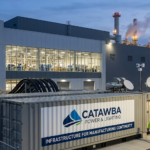
Catawba Power and Lighting’s portfolio of more than 150 manufacturer relationships covers both standard commercial LED and industrial-grade lighting systems. The company does not push a single manufacturer’s products — instead, the team evaluates each project’s requirements and selects the most appropriate solution from a broad market. That independence from any single manufacturer means clients get the right product for their project, not the product a single-line representative is incentivized to sell.
The Native American-owned status of the company adds procurement value for tribal governments and diversity-compliant commercial projects. Tribal preference procurement advantages and documented diversity supplier credentials help clients meet regulatory and programmatic sourcing requirements without sacrificing equipment quality or technical support.
Conclusion
Commercial LED lighting represents the clear infrastructure choice for tribal nations, commercial developers, and facility managers who are serious about long-term operational efficiency. When properly specified for the actual environment — including the industrial-grade considerations that demanding facilities require — these systems deliver performance, savings, and durability that justify the investment many times over. Catawba Power and Lighting exists to make that procurement process straightforward and successful.