





Hiring a contractor for any home improvement project carries a degree of uncertainty, especially if you have never done it before. Driveway paving is no exception. The work happens fast, involves heavy equipment, and produces results that are immediately visible and essentially permanent once cured. Going in without a clear sense of what good residential paving services look like makes it difficult to evaluate what you are being sold or to recognize problems before they are locked in under a layer of asphalt. The goal of this article is simple: give you the knowledge to hire confidently, ask the right questions, and walk away with a driveway that meets the standard your property deserves.
The Estimate Process: What a Good One Looks Like
A reputable paving contractor will want to see your property before providing a quote. Be cautious of any company that offers a firm price based solely on square footage provided over the phone without visiting the site. An in-person assessment allows the contractor to evaluate the condition of your existing surface, identify any drainage concerns, check for tree root intrusion near the driveway perimeter, and determine what base work, if any, is required before paving begins.
The written estimate you receive should specify the scope of work clearly, including whether old pavement will be removed and hauled away, what base preparation is included, how many inches of asphalt will be applied, and what the surface finish will look like. It should also state timeline expectations, payment terms, and any warranty offered on materials and workmanship. An estimate that covers all of these points is one from a contractor who is used to being held accountable for what they promise.
During the Job: What Good Crews Do Differently
Once work begins, there are observable indicators that tell you whether the residential paving services you hired are being delivered at a professional standard. Watch whether the crew takes time to properly compact the base material before laying asphalt. Compaction is not glamorous, but it is foundational. A crew that rushes this step is building your new surface on a compromised foundation that will settle and crack within a few years.
Pay attention to how the edges are handled. Clean, well-defined edges that taper properly to the existing grade look professional and prevent crumbling. Sloppy edges that are left unfinished or at awkward angles are a sign of a crew that prioritizes speed over craftsmanship. The joints where your new driveway meets the garage apron, sidewalk, or street are also worth watching. These transitions need to be smooth and properly graded so that water does not pool and vehicle tires do not catch the edge.
Property owners throughout Ontario have found that connecting with established local providers of residential paving services who have a documented track record in the area provides a meaningful baseline for what professional-grade work looks and feels like during and after the job.
After the Job: Curing, Care, and Long-Term Maintenance
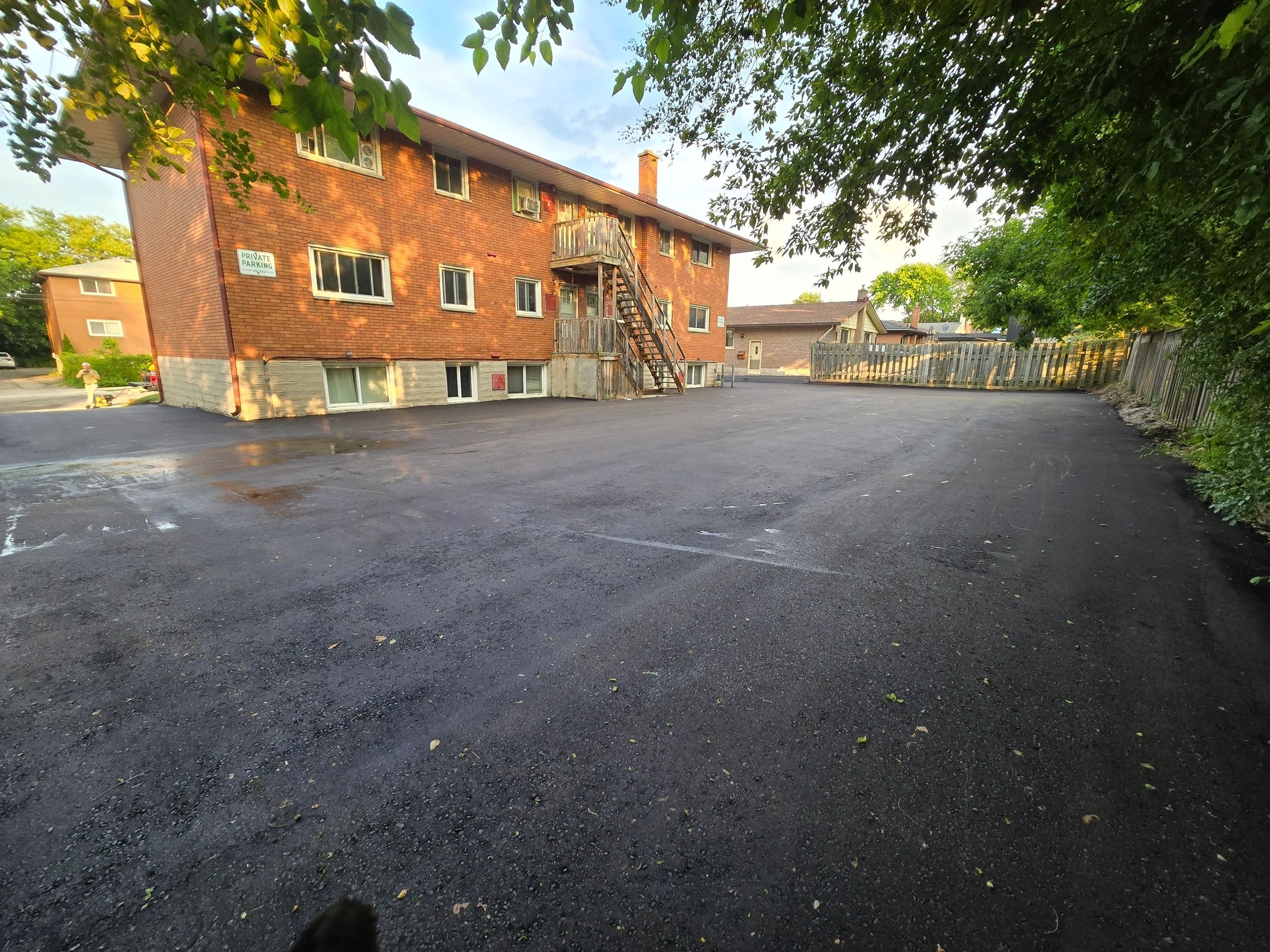
Freshly laid asphalt needs time to cure before it reaches full hardness, and how you treat it during that period matters. In warm weather, new asphalt can remain soft and susceptible to marking for several days to a week. Avoid parking in the same spot repeatedly during this period, as tire impressions can form. Keep sharp objects like kickstands and high heels off the surface. Do not apply weed killer or other chemicals near the edges, as these can affect the binder.
Your contractor should advise you not to seal coat for a minimum of six months to a year after installation. New asphalt contains oils that need time to cure out, and sealing too early traps those oils and can prevent the surface from reaching proper hardness. After that initial cure period, establishing a seal coat schedule is one of the best things you can do to protect your investment over the long term.
Conclusion
The homeowners who get the most from their driveway investment are those who approach residential paving services as informed consumers. Know what a quality estimate looks like, understand what good installation practice involves, and give your new surface the care it needs to perform for decades. A driveway is a long-term feature of your home. Treat it like one.