




Your garage door opener is one of those things you only truly appreciate when it stops working. The moment you press the button and nothing happens, or the door moves halfway and stops, the inconvenience is immediate and very real. For homeowners in the St. Louis area, knowing when to call for garage door opener repair and understanding what the process involves can save a lot of time and unnecessary stress. The good news is that many opener problems are very fixable, especially when addressed early.
Common Reasons Garage Door Openers Stop Working
Opener failures rarely come out of nowhere. In most cases, there are underlying causes that have been building up over time. Understanding what typically goes wrong helps you communicate the problem clearly to a technician and gives you a better sense of what to expect from the repair process.
One of the most common opener problems reported is the motor running but the door not moving. That is usually a sign that a gear inside the drive system has stripped. This is a wear part and can be replaced without switching the whole unit. So it is a relatively inexpensive fix. Another common problem is the opener receiving power, but not responding to the remote. Remote frequency interference, a faulty circuit board or a wiring connection that has become loose over time could be the cause.
Safety sensor issues are also common. When the sensors near the base of the tracks become misaligned, dirty, or damaged, the opener will refuse to close the door as a safety measure. Sometimes a simple cleaning and realignment resolves the issue. Other times, the sensors themselves need to be replaced.
When Repair Makes More Sense Than Replacement
Not every opener problem requires a full replacement. If your unit is less than 10 years old and the issue is isolated to a specific component, repair is typically the more economical and practical choice. Drive gears, circuit boards, remotes, sensors, and wiring can all be repaired or replaced individually without touching the rest of the unit.
Professional garage door opener repair from a qualified technician includes a full diagnostic of the unit to identify not just the presenting problem but any other components that may be approaching the end of their service life. STL Garage Service has been providing this kind of thorough, honest service to St. Louis area homeowners for more than 10 years. Their technicians do not replace what does not need replacing, but they also do not leave you with a repaired unit that will fail again in a few months.
The Connection Between Opener Problems and Spring Condition
This is a point that many homeowners are unaware of until a technician explains it. Your garage door opener does not carry the full weight of the door. The springs do most of the heavy lifting. When a spring loses tension or breaks, the opener has to work significantly harder to move the door. Over time, this extra strain accelerates wear on the motor and other mechanical components.
If you have been noticing that your opener strains or labors during operation, the problem may actually be in the springs rather than the opener itself. This is why a good technician always evaluates the entire system, not just the component that is visibly malfunctioning.
Garage Door Spring Replacement and Why It Cannot Wait
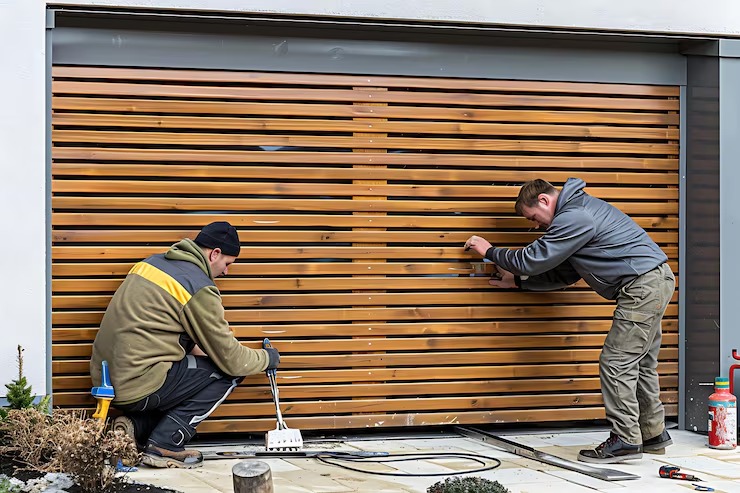
Springs are the most mechanically stressed components of your entire garage door system. They are under constant tension and perform thousands of load cycles over their service life. The average torsion spring is rated for approximately 10,000 cycles. For a door that is used four times a day, that lifespan works out to roughly seven years.
When a spring breaks, it usually happens suddenly and with a loud bang. The door becomes extremely heavy and difficult or impossible to operate manually. The opener, if it tries to move the door without functioning springs, can be seriously damaged in the process. Getting garage door spring replacement handled promptly protects the rest of your door system from additional damage and restores safe, normal operation.
Why Spring Replacement Is Not a DIY Job
Springs are under tremendous stored tension. Releasing or adjusting that tension without the proper tools and training is genuinely dangerous. Professional technicians use winding bars, safety cables, and established procedures that keep the spring’s energy contained and controlled throughout the replacement process.
STL Garage Service technicians are trained and equipped to handle spring replacements safely for homeowners throughout St. Louis County, Florissant, Saint Charles, and surrounding communities. They work efficiently, complete the job thoroughly, and test the balance and operation of the door fully before considering the job done. For this particular type of work, professional service is not just convenient, it is necessary.
Preventive Steps That Extend Opener and Spring Life
You can extend the life of both your opener and your springs with a few simple habits. Lubricating the springs and hinges every six months reduces friction and slows wear. Keeping the tracks clean and free of debris will ensure the door operates smoothly and does not put unnecessary stress on the drive system. Testing the balance of the door annually allows you to catch spring tension issues before they result in a failure.
Annual professional tune-ups are the most effective preventive measure available. A technician can identify worn components, adjust tension, and address small issues before they become significant ones. STL Garage Service offers comprehensive tune-up services for homeowners across the St. Louis metro area as part of their full-service approach to garage door care.
Conclusion
Garage door opener repair is a service that most homeowners will need at some point, and prompt attention to the problem always produces better outcomes than waiting. Whether the issue is a worn gear, a sensor problem, or strain caused by weakened springs, an experienced technician can diagnose and resolve it efficiently. STL Garage Service has served the St. Louis metropolitan area for over a decade with reliable, honest repair service. When your opener starts giving you trouble, do not wait for a complete failure to take action.
FAQ
Q1. Can I still use my garage door manually if the opener fails?
Yes. Most garage doors can be operated manually by pulling the emergency release cord, which disconnects the door from the opener drive. However, if a spring is also broken, the door will be very heavy to lift manually and professional service should be called promptly.
Q2. How do I know if my opener problem is electrical or mechanical?
If the motor runs but the door does not move, the issue is likely mechanical, such as a stripped gear. If nothing happens when you press the button, the problem may be electrical, such as a circuit board failure or a power issue. A technician can pinpoint the cause quickly with a proper diagnostic.
Q3. How long do garage door springs typically last?
Most standard torsion springs are rated for about 10,000 cycles. With average use of four cycles per day, that translates to roughly seven years. Heavy use shortens that lifespan, while proper lubrication and maintenance can extend it modestly.