




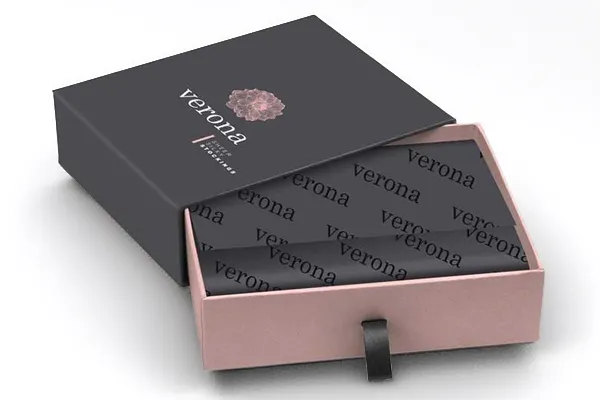
Packaging is an important part of how customers experience a product. Before opening a box or examining what is inside, customers often form an impression based on its appearance, structure and overall presentation.
For premium brands, packaging needs to do more than hold a product. It should reflect the brand’s identity, complement the product’s value and create a consistent experience across different customer interactions.
Choosing the right custom paper box manufacturer is therefore an important business decision. The manufacturer should understand structural design, material selection, printing requirements and the practical needs of the finished packaging.
Whether a business needs luxury gift boxes, custom folding cartons or distinctive Round Boxe designs, understanding what to look for in a packaging partner can make the selection process easier.
Why the Right Packaging Manufacturer Matters
A packaging manufacturer influences several aspects of the finished product, from the initial design to material selection and final production.
A well-designed box should look appropriate for the brand while performing its intended function. Poor material selection, inaccurate dimensions or inconsistent printing can affect both product presentation and usability.
Working with a suitable manufacturer can help businesses achieve:
- Packaging that reflects their brand identity.
- Consistent dimensions and structural quality.
- Appropriate materials for different products.
- Printing and finishing that match the intended design.
- Practical packaging that is easy to assemble and use.
- Better coordination between design and production requirements.
These factors are particularly important for businesses operating in competitive retail markets, where packaging contributes to the overall product experience.
Understand the Different Types of Custom Paper Packaging
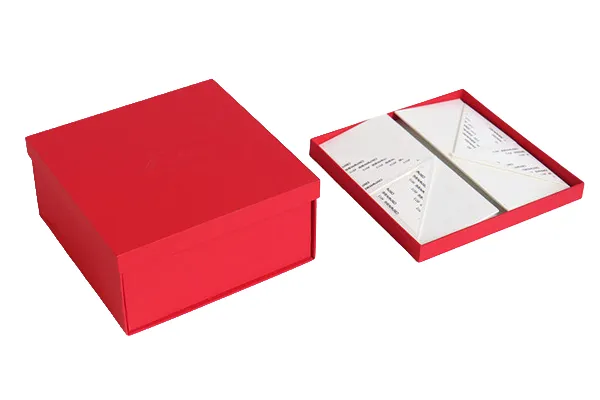
Before comparing manufacturers, it is useful to understand the main packaging formats available. Different box styles offer different structural and presentation benefits.
Custom Folding Cartons
Folding cartons are widely used across retail industries. They are generally made from paperboard, supplied flat and assembled when required.
They are suitable for products such as:
- Cosmetics and skincare products.
- Food and confectionery.
- Personal care products.
- Small electronics and accessories.
- Health and beauty items.
Folding cartons can be customised through structural design, printing and surface finishing.
Their flat-packed format also makes them practical for businesses that need to store packaging before use.
Rigid Boxes for Premium Products
Rigid boxes are designed with a sturdier structure than standard folding cartons. They are often associated with premium and luxury product packaging.
Common applications include jewellery, luxury accessories, gift sets, electronics and specialty retail products.
Popular design options include magnetic closures, removable lids, decorative inserts and wrapped paper finishes.
The internal presentation is also important. Inserts can be designed to hold individual products securely while creating a neat and organised arrangement.
Custom Round Boxe
Round Boxe offers a distinctive packaging format for brands that want an alternative to traditional square or rectangular designs.
Depending on the product, Round Boxe can be considered for gift packaging, cosmetics, promotional products and selected premium retail applications.
When evaluating this format, businesses should consider:
- The diameter and height required.
- Material thickness and structural construction.
- Suitable lid or closure designs.
- Internal inserts and product positioning.
- Printing and decorative finishing options.
The design should balance visual appeal with practical functionality.
What to Look for in a Custom Paper Box Manufacturer
Choosing a manufacturer requires more than reviewing a catalogue of available box styles. Businesses should evaluate the supplier’s ability to understand their requirements and translate them into a suitable packaging solution.
- Experience With Your Packaging Requirements
Different industries have different packaging needs.
A cosmetics brand may require elegant folding cartons with specialised finishes, while a premium gift business may need rigid boxes with customised inserts.
Look for a manufacturer that understands the type of packaging you require.
Ask about the materials, structures and finishing techniques available for your particular application.
The manufacturer should also be able to explain the advantages and limitations of different packaging formats.
- Material Selection and Quality
Material quality directly affects the appearance, strength and performance of a paper box.
Paperboard is available in different grades, thicknesses and surface finishes. The correct choice depends on the product’s dimensions, weight and intended presentation.
Important material considerations include:
Paperboard thickness: Determines part of the box’s rigidity and structural performance.
Surface quality: Influences printing results and the final appearance.
Material consistency: Helps maintain a uniform finish across production batches.
Print compatibility: Different materials can produce different results with the same artwork and finishing process.
For premium packaging, material samples are useful because they allow businesses to assess texture, colour and overall quality before making a final decision.
- Custom Structural Design Capabilities
A manufacturer’s structural design capabilities are important when a standard box format does not meet the product’s requirements.
Custom dimensions, compartments, inserts and closure styles can make packaging more functional and visually distinctive.
For example, a premium skincare set may require several internal compartments, while a jewellery box may need a fitted insert that holds the product in a specific position.
Ask whether the manufacturer can help develop structural samples and recommend suitable design adjustments.
- Printing and Finishing Options
Printing and finishing contribute significantly to the appearance of premium packaging.
Depending on the material and production process, available options may include:
- Full-colour printing.
- Matte and gloss finishes.
- Foil stamping.
- Embossing and debossing.
- Spot UV finishing.
- Special textures and decorative papers.
- Custom interior printing.
Each technique creates a different visual effect.
Foil stamping, for example, can highlight a logo or selected design elements. Embossing creates a raised surface, while debossing produces an indented effect.
The right combination should complement the brand rather than make the packaging unnecessarily complicated.
How to Evaluate a Manufacturer Before Placing an Order
Once you have shortlisted potential manufacturers, compare their processes and communication methods.
Request Physical Samples
A physical sample provides a better understanding of the finished packaging than a digital design alone.
Use samples to check:
- Paperboard thickness.
- Colour accuracy.
- Surface texture.
- Folding and assembly.
- Lid and closure functionality.
- Overall dimensions.
- Internal fit and presentation.
For premium products, examine the details carefully. Small differences in printing alignment, material finish or construction can affect the overall impression.
Review the Design and Approval Process
A clear approval process helps prevent misunderstandings during production.
Before confirming a project, understand how artwork, structural drawings and physical samples will be reviewed.
Ask whether revisions can be made before production approval and how final specifications are documented.
It is important that both sides agree on the approved design, material and finishing details.
Understand Production Capabilities
Manufacturers may differ in their equipment, production methods and available customisation options.
Ask about the types of boxes they produce, the materials they work with and the finishing techniques available.
Also clarify the production schedule, quality inspection procedures and communication process.
These details help you determine whether the manufacturer can support your packaging requirements reliably.
Check Quality Control Procedures
Consistency is particularly important for brands that use the same packaging across multiple products or retail locations.
A suitable manufacturer should have a process for checking finished boxes against approved specifications.
Important inspection points include:
- Accurate dimensions.
- Consistent colour reproduction.
- Clean cuts and folds.
- Properly fitted closures.
- Correct logo and artwork placement.
- Consistent surface finishing.
Businesses should ask how production samples and finished batches are inspected before dispatch.
Understanding Packaging Costs and Value
The cost of custom paper boxes depends on several factors. Comparing quotations requires an understanding of what each manufacturer includes in the price.
Common cost factors include:
Material selection: Different paperboard grades and specialty papers have different costs.
Box structure: Complex designs may require additional tooling or production steps.
Printing requirements: Colour coverage and artwork complexity can influence production costs.
Special finishes: Foil stamping, embossing and decorative coatings can affect the final quotation.
Internal components: Custom inserts and compartments add design and material considerations.
Packaging specifications: Dimensions, construction and assembly requirements all influence the final product.
Rather than comparing prices alone, review the complete specification of each quotation.
A slightly different material or finishing process can produce a noticeably different result, even when two quotations appear similar.
Why Premium Packaging Needs a Strong Brand Identity
For high-end products, packaging should communicate the same visual identity as the product itself.
Customers may associate the packaging’s texture, colour, shape and finishing with the quality of the brand.
A premium presentation does not necessarily require excessive decoration. In many cases, a clean design, carefully selected material and well-executed logo placement can create a more refined appearance.
Consider the following elements when developing packaging:
Consistent Brand Colours
Use colours that match the wider brand identity. Consistency across packaging, product labels and promotional materials helps create a recognisable appearance.
Thoughtful Typography
Typography should remain readable and complement the product’s positioning.
The logo, product information and other printed elements should be arranged with a clear visual hierarchy.
Appropriate Finishes
Choose finishes that support the overall design. Foil details, textured papers and embossing can add visual interest when used carefully.
Functional Interior Design
The inside of a premium box should receive the same attention as its exterior.
Custom inserts, compartments and protective components can create an organised presentation while keeping the product properly positioned.
Questions to Ask Before Selecting a Manufacturer
Before making a final decision, prepare a list of questions to understand the manufacturer’s capabilities.
- What types of custom paper boxes do you manufacture?
- Which paperboard materials and thicknesses are available?
- Can you develop custom structural designs and inserts?
- What printing and finishing options do you offer?
- Can I review physical samples before approving production?
- How do you maintain printing and construction consistency?
- What information is required to prepare a quotation?
- How are production timelines and quality checks managed?
Clear answers help businesses compare suppliers based on their actual requirements rather than general marketing claims.
Working With the Right Packaging Partner
A successful packaging project begins with a clear brief.
Before approaching a manufacturer, prepare information about your product, dimensions, packaging style, preferred materials, artwork and finishing requirements.
It is also helpful to provide reference images or examples that communicate the desired appearance.
A packaging supplier such as Pack Packaging can be explored when researching custom paper packaging options. The important step is to discuss the specific project requirements, review available materials and understand the sampling and production process before confirming a design.
Good communication throughout the process helps ensure that the finished packaging matches the intended structure and brand presentation.
Final Thoughts
Choosing the right custom paper box manufacturer involves evaluating much more than price and available box styles. Material quality, structural design, printing capabilities, finishing options and quality control all contribute to the final packaging.
For brands developing premium products, packaging should reflect their identity while providing a practical and consistent presentation. Custom folding cartons, rigid boxes and Round Boxe each offer different possibilities depending on the product and intended customer experience.
Before selecting a manufacturer, review physical samples, compare material specifications and understand the complete production process. Taking the time to evaluate these details can help businesses develop packaging that supports their products and creates a lasting impression.
FAQs
- What should I look for in a custom paper box manufacturer?
Look for experience with your required packaging format, suitable material options, custom structural design capabilities, printing and finishing services, physical sampling and clearly defined quality control procedures.
- What is the difference between a folding carton and a rigid box?
Folding cartons are generally made from paperboard and supplied flat for assembly. Rigid boxes have a sturdier construction and are commonly used for luxury gifts, jewellery, electronics and premium retail products.
- Which materials are commonly used for premium paper packaging?
Common options include different paperboard grades, specialty papers and decorative wrapping papers. The appropriate material depends on the product, desired appearance, structural requirements and printing specifications.
- What printing finishes can be used on custom paper boxes?
Depending on the material and manufacturing process, options include matte and gloss finishes, foil stamping, embossing, debossing, spot UV and decorative paper textures.
- Why should I request a sample before approving production?
A physical sample allows you to evaluate the material, dimensions, structural design, printing, finishing and overall product presentation before approving the final packaging specifications.