





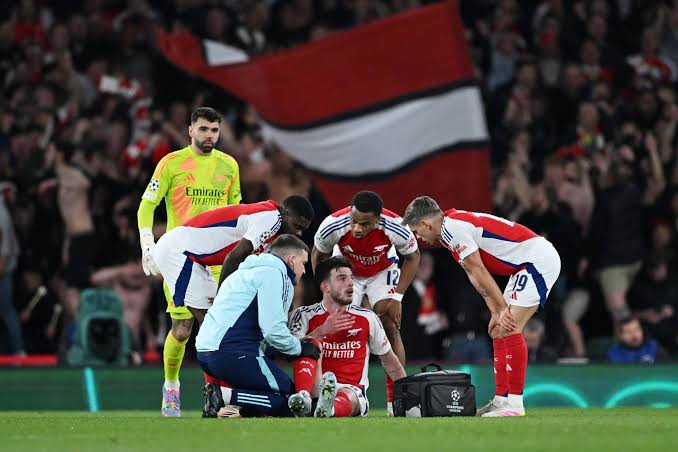
Every company has a key player who cannot be replaced overnight. Football clubs face the same problem every week, and they face it in public. The latest Arsenal injury news offers a neat example. Defender Piero Hincapie has returned to training after an ankle injury, just ahead of a Champions League meeting with Bayern Munich, according to EPL Index. On the surface, it is a sports update. Look a little closer and it becomes a lesson in workforce planning, risk management, and patience under pressure. Leaders who run teams, whether in a stadium or a boardroom, can learn plenty from how elite clubs protect their most valuable people and prepare for the moments when someone is unavailable.
Why Talent Availability Is a Business Issue
A professional football squad is, in financial terms, a portfolio of high-value assets. Salaries, transfer fees, and performance bonuses add up to an enormous investment. When one of those assets is sidelined, the club still carries the cost while losing the output.
That logic applies far beyond sport. A sales director on leave, an engineer with unique knowledge, or a founder who handles every client call all create the same exposure. The question is not whether someone will be unavailable. It is how ready the organization is when they are.
Clubs have learned this the hard way. The best ones treat availability as a metric alongside performance. A brilliant player who misses half the season delivers less value than a very good one who plays almost every game.
Practical Strategies for Building Resilience
Business owners can borrow several habits from football’s medical and coaching departments.
Cross-train your people. Hincapie is useful because he can play more than one role. Teams that develop versatile staff recover faster from absences. Make sure at least two people can handle every critical task.
Plan the return, not just the absence. Clubs build structured comeback plans. Businesses should do the same after burnout, illness, or leave. A gradual return protects the person and the project.
Document what lives in people’s heads. Playbooks, checklists, and handover notes turn individual knowledge into shared capability.
Resist the urge to rush. Pushing a recovering employee back at full speed to meet a deadline is the corporate version of a relapse. It rarely saves time.
What Arsenal Injury News Reveals About Smart Management
When readers follow Arsenal injury news, they often focus on whether a player will start. Managers should notice something else, which is the process.
A return to training is a checkpoint, not a finish line. The medical staff gather information, the coach weighs options, and the player is not committed to a final decision until the evidence is clear. That staged approach keeps the club flexible. If the ankle responds well, the options widen. If not, the plan adjusts without drama.
Compare that to organizations that make binary calls, such as “he is back” or “he is out.” Staged decisions reduce regret. They also give leaders time to prepare alternatives, which is exactly what depth is for.
There is a cultural benefit as well. When a team sees that returns are handled carefully, people trust the system. They are more likely to report problems early, which keeps small issues from growing.
Future Trends: Data, Flexibility, and Human Sustainability
The next phase of workforce management will look a lot like modern sports science. Elite clubs already track training load, recovery, and movement patterns to spot trouble early. Expect similar thinking in business, with smarter scheduling, wellbeing data, and workloads tuned to individuals rather than averages.
Flexibility will matter even more. Companies that build adaptable teams, with overlapping skills and clear succession paths, will absorb shocks better than those that rely on a few irreplaceable stars.
Finally, sustainability will become a competitive advantage. Organizations that protect their people over the long term tend to keep their best talent and perform more consistently.
Conclusion
Hincapie’s return to training is good news for Arsenal supporters, but it also carries a broader message. Depth, planning, and patience are what keep high-performing teams steady when pressure rises. Whether you manage a squad or a company, the smartest takeaway from this Arsenal injury news is simple. Prepare for absences before they happen, return people carefully, and protect the assets that matter most.
FAQ
- What is the latest Arsenal update about Piero Hincapie? He has returned to training after an ankle injury ahead of the Bayern Munich match, according to EPL Index.
- How can businesses apply lessons from football injury management? By cross-training staff, documenting key knowledge, and using gradual return plans after absences.
- Why is squad depth compared to business resilience? Both rely on having capable backups and flexible roles so performance does not collapse when a key person is unavailable.