
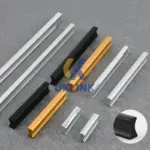



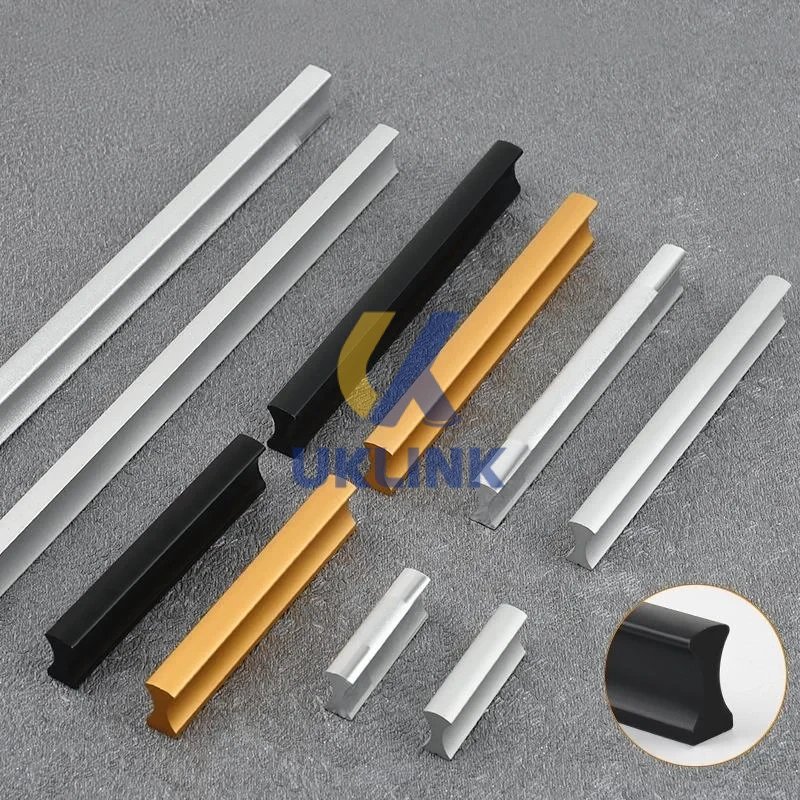
Buying handles from an overseas factory can feel like a leap of faith. Photos look fantastic, prices are attractive, and the sales rep is friendly. But photos do not reveal plating thickness, and friendly emails do not guarantee on-time shipments. Retailers and importers who have been burned once tend to become very careful the second time. This article shares a practical framework for vetting a furniture handles supplier before you commit serious money. We will look at samples, minimum order terms, quality checks, and communication habits that signal a healthy partnership. Think of it as a field guide for buyers who want fewer surprises and more repeat business.
Reading Between the Lines of a Quotation
A quote tells a story if you read it carefully. Look beyond the unit price. Check the material specification, finish type, packaging method, and payment terms. If any of those are missing, ask for them in writing.
Minimum order quantities deserve special attention. Some suppliers set high minimums to protect their margins, while others offer trial runs to build trust. Neither approach is wrong, but you should understand how MOQs apply by color, size, and finish. Mixing five finishes in one order may raise your effective minimum.
Lead time is the other big variable. Ask for a realistic production schedule, including sampling, mass production, inspection, and shipping. A confident factory will give clear dates and explain what can delay them.
Tests and Checks That Reduce Risk
Order samples of the exact items you plan to buy, not just similar ones. Test them in three ways: appearance, function, and endurance. Check color against your reference. Pull and twist the handle. Rub the finish with a cloth, and try mild household cleaner on a hidden spot.
If volumes are large, consider third-party inspection before shipment. A short inspection can check dimensions, finish, packaging, and carton marks. It costs little compared with a rejected container.
Also, confirm certifications that matter in your market, such as material safety rules. The right paperwork prevents customs delays.
When you want a single partner for several categories, UKLINK is one example of a Chinese hardware company offering handles with hinges, drawer systems, and OEM/ODM support. For buyers comparing options, a furniture handles supplier with a wide range can also reduce the number of shipments and invoices you manage.
What Successful Importers Do
A regional furniture distributor shared a habit that stuck with me. Before every season, the team writes a short scorecard for each supplier covering quality, delivery, communication, and problem handling. Scores are shared openly with the factory. Suppliers who improve earn more volume, and those who do not are phased out.
Another importer keeps a small stock buffer for fast-moving finishes. When a delay hits, the shelves remain full and customers never notice. That simple cushion is cheaper than emergency air freight.
Successful buyers also visit factories when possible, or schedule video tours. Seeing the plating line, the packing area, and the inspection desk tells you more than any brochure.
Where Sourcing Is Heading
Digital catalogs, 3D previews, and quick video calls are making sourcing faster. Buyers increasingly expect traceability, recycled packaging, and consistent reorder quality. Handle styles are also moving toward slimmer lines, softer metallic tones, and mixed materials such as leather accents.
For your business, the best strategy is balance. Keep reliable core designs from trusted suppliers, and test new trends in small batches. That approach limits inventory risk while keeping your range current.
Conclusion
Choosing a furniture handles supplier is a business decision that deserves structure. Read quotes carefully, test samples thoroughly, understand MOQ terms, and track performance over time. Do that consistently and your sourcing will become calmer, cheaper, and far more predictable.
FAQ
How many samples should I order? Order every finish and size you plan to sell, even if the quantity is small.
Is third-party inspection worth it? For medium and large orders, usually yes. It catches problems before the goods leave the factory.
How do I compare two suppliers fairly? Use the same specification sheet, ask for the same sample set, and compare quality, lead time, and communication together.